
Liability Insurance Malaysia & Singapore
Below is a list of common liability insurance product Malaysia & Singapore
Discover the most common liability insurance products in Malaysia and Singapore, designed to protect businesses and individuals from third-party claims.
1. Commercial General Liability (CGL) Insurance
This insurance protects businesses from legal liability for injuries, property damage, and other losses caused by their operations or products. It offers broad protection against third-party claims for bodily injury, property damage, or advertising injury resulting from the business’s operations, products, or services.
Offers extensive protection for businesses against third-party claims for bodily injury, property damage, or advertising injury resulting from the business's operations, products, or services.
Example: If a customer slips and falls on the business's premises, the business is covered for the costs of medical treatment and any legal fees associated with the incident such as:
- Bodily injury: Covers injuries to people on the business premises or as a result of business operations
- Property damage: Covers damage to property on the business premises or as a result of business operations
- Products: Covers injuries or property damage caused by products manufactured, distributed, or sold by the business
- Pollution: Covers sudden and accidental pollution
In today’s increasingly complex and interconnected business environment, your duty of care to both customers and the public has grown significantly. Our liability solution offers peace of mind, allowing you to focus on running your business while knowing you can count on Just Insure if the unexpected occurs.
Example: A client might trip and injure themselves in your office, or a customer’s car could be damaged by your equipment at a job site. Another business might claim that your advertisement infringes on their copyrighted material.
If your business is found liable for injury or damage in a court of law, the financial consequences could be catastrophic — which is why commercial general liability insurance is essential.
2. Public Liability Insurance
Protects businesses from legal claims for property damage or bodily injuries caused to third parties. It also covers legal costs and expenses that may arise as a result of such claims.
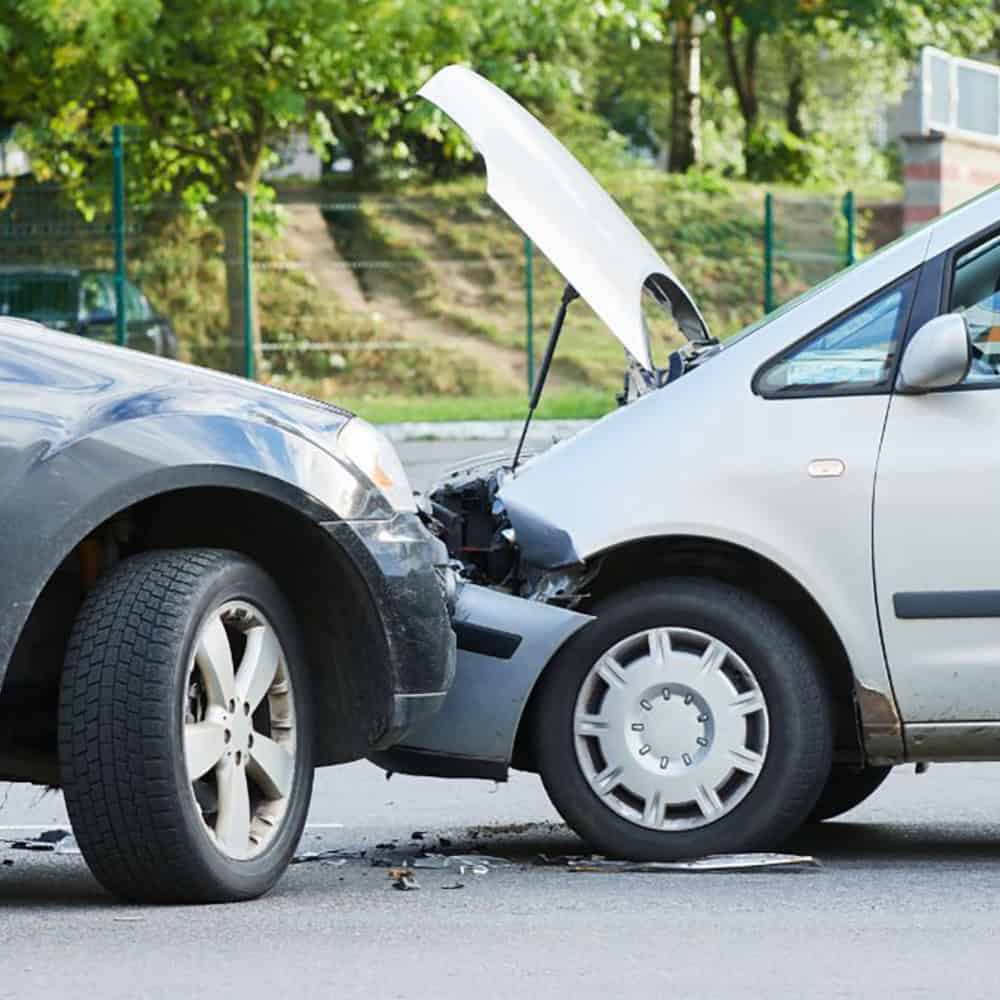
This type of insurance refers to the legal responsibility a business or individual has for injuries or damage caused to the public or third parties, whether on their premises or due to their activities. This can include situations where someone is injured, or their property is damaged, due to the actions or negligence of the business.
Example: A shop owner could be held liable if a customer slips on a wet floor in their store. Public liability insurance helps protect businesses by covering legal costs and compensation in the event of such claims.
It covered legal liability for bodily injuries or property damage, Legal costs and expenses, Compensation claims, Personal and advertising liability, and Miscellaneous errors and omissions if a claim arise in a scenario such as:
- Injury to third parties: If someone is injured on your premises or as a result of your activities (for example, a customer slips and falls in your store), this insurance would cover medical expenses and legal costs if the injured party decides to make a claim.
- Property damage: If you or your business accidentally damages someone else's property, public liability insurance can cover the cost of repairs or replacement. For example, if a contractor accidentally damages a client's property while working on a project.
- Legal fees: If a claim is made against you, public liability insurance often covers the legal costs involved in defending the case, whether or not you’re found liable.
- Compensation costs: If the court decides you are at fault, the insurance may cover the compensation or settlement amounts you need to pay to the injured party or for the property damage.
- Expenses for accidents caused by employees: If your employees cause injury or damage while working on your behalf, public liability insurance may also cover that.
Public liability can be concerning because it exposes individuals or businesses to potential legal and financial risks. If someone gets injured or their property gets damaged due to your actions or negligence, the consequences can be serious. Without the right insurance, the costs of handling claims, legal battles, and compensation could be devastating. Here are a few reasons why it’s concerning:
- High Legal Costs: Even if you are not at fault, defending a lawsuit can be expensive. Public liability insurance helps cover these legal costs, but without it, you might end up facing hefty fees that could financially burden you or your business.
- Large Compensation Claims: If a third party is injured or their property is damaged, they may seek compensation for medical bills, lost wages, or repair costs. These amounts can add up quickly, and without coverage, it could be difficult to pay.
- Reputation Damage: A public liability claim, especially if it involves an injury, can harm your business’s reputation. Customers may lose trust, and it could affect future sales or clients.
- Vicarious Liability: If you’re running a business with employees, you're also responsible for their actions. If an employee causes injury or damage to a third party, you could be held liable, even if you weren’t directly involved.
- Unexpected Incidents: Sometimes accidents happen even when precautions are taken. A small incident like a spilled drink on a store floor or a poorly maintained sidewalk could lead to someone getting hurt, and that could result in a claim. You can't always predict when something will go wrong.
Because of these factors, it's understandable why public liability insurance can feel concerning if you don’t have the coverage in place. It’s not just about protecting your financial stability; it’s also about managing the risks associated with everyday activities or business operations.
3. Product Liability Insurance

Consumer

Hazards

Inspection

Health

Eat

Virus

Safe

Certification

A type of insurance that protects businesses from lawsuits alleging that their manufactured or sold products caused personal injury or property damage to consumers, covering the legal costs and compensation claims if such an incident occurs; essentially safeguarding companies involved in product design, manufacturing, and distribution against potential liability claims from customers.
Product Liability Insurance protects businesses against claims for injuries or property damage caused by defects in their products, even if the business was not negligent. This coverage helps mitigate the financial costs associated with such claims.
Example: If a consumer is injured by a faulty product, the manufacturer is covered against the financial costs of the claim, including legal fees and potential compensation.
Who it protects Manufacturers, Wholesalers, Resellers, Retailers, and Importers. What it protects against Design defects, Manufacturing defects, Marketing errors, Insufficient warnings, and Strict liability.
It highlights the potential for significant financial risk to a company that manufactures or sells products, as a single defective product could lead to lawsuits resulting in large compensation payouts to injured parties, potentially causing severe financial damage to the business, especially if they lack adequate insurance coverage.
Key reasons why Product Liability Insurance is important:
- High-cost lawsuits: A single product defect can lead to large legal fees and compensation claims for personal injury, property damage, or even wrongful death, putting a strain on a company's finances.
- Unpredictable risks: It can be difficult to anticipate all potential product defects or how consumers might misuse a product, making it hard to accurately assess the risk of lawsuits.
- Reputation damage: Even if a company successfully defends a lawsuit, negative publicity surrounding a product defect can significantly damage brand image and customer trust.
- Complex legal landscape: Product liability laws can vary by jurisdiction, making it challenging to navigate legal issues related to product defects.
Examples of situations where Product Liability Insurance could be relevant:
- A faulty appliance causing a fire in a consumer's home.
- A defective toy causing injury to a child.
- A food product contaminated with harmful bacteria.
- A poorly designed medical device leading to complications during surgery.
4. Cyber Liability Insurance
With cyber insurance, the company’s liability to pay for any damages stemming from a cybersecurity attack is minimised, which alleviates the financial consequences should something catastrophic occur. Think of it as an option in mitigating the mounting cyber risk that comes with doing business online.
A contract that enterprises can purchase to reduce the risks associated with conducting online business. Cyber insurance covers your organisation’s liability for most data breaches caused by a cyber security incident.
The loss, compromise, or theft of electronic data can have a severe impact on your business. This could lead to a loss of customer trust or significant financial costs associated with recovery efforts. Cyber insurance helps reduce this financial risk by covering expenses related to cyberattacks, data breaches, and other online threats. It provides protection for data recovery, legal fees, and customer notifications.
Example: Costs related to a data breach or the loss of sensitive financial information.
As more people conduct transactions online, more data becomes available for cybercriminals to exploit. Investing in cyber insurance is a smart and effective way to mitigate the risks your business faces in the event of a breach.
Cybercrime continues to rise, putting more companies at risk of data breaches, ransomware, and other cybersecurity threats. While various cybersecurity tools can help prevent breaches, businesses may still be held accountable for sensitive information stolen during a cyber event.
While purchasing cyber insurance is recommended, it should be viewed as an additional layer of protection, not a substitute for a comprehensive cybersecurity strategy. A cyber insurance policy should complement the security measures already in place as part of a company's risk management plan.
Rather than replacing or being an alternative to cybersecurity practices, cyber insurance should be seen as an essential tool for strengthening both new and existing cyber defense strategies.
Example: A business experiences a data breach, and the insurance covers the legal costs and notification expenses for affected customers.
5. Environmental Liability Insurance

Environmental

Social

Governance
Protects businesses from financial losses and business interruption caused by environmental incidents. It can cover the costs of cleaning up pollution, as well as third-party property damage and bodily injury.
Environmental Liability Insurance provides coverage for businesses engaged in activities that could lead to environmental damage, such as pollution, contamination, or hazardous waste. It helps cover cleanup costs, legal expenses, and third-party claims.
Example: If a manufacturing company accidentally spills toxic chemicals into the environment, the insurance would cover the cleanup costs and any legal claims resulting from the incident.
Companies today are under increasing pressure to ‘go green’, thanks to tighter environmental legislation and public pressure. Chubb is well positioned in Asia Pacific to help you manage your environmental issues. Our flexible products not only offer customised solutions to assist you in global risk management; they also cover both first and third party environmental liabilities.
Environmental liability insurance can help businesses manage the financial and business consequences of environmental incidents, which can include pollution incidents, natural disasters, and media attention.
6. Product Recall Insurance
It helps companies cover the costs of recalling a product from the market. This insurance can help protect a company from financial losses that may result from a product recall.
It covers the costs associated with recalling a defective or harmful product from the market. It helps protect businesses against the financial losses and expenses incurred during a product recall event.
Example: If a food company discovers a contaminant in one of its products, the insurance would cover the costs of recalling the affected items, replacing them, and handling related legal claims.
This coverage typically includes:
- Recall Costs: Expenses for retrieving the product from consumers, retailers, or distributors.
- Replacement Costs: The cost of replacing recalled products.
- Legal Fees: Costs associated with defending the business against lawsuits or claims related to the recall.
- Communication Costs: Expenses for notifying customers, retailers, or distributors about the recall.
- Loss of Profit: Covers the potential loss of revenue during the recall process.
- Third-Party Liability: Protection against claims from consumers or third parties for damages or injuries caused by the faulty product.
It helps businesses react and recover quickly if they need to recall a product because of a fault or contamination. We work with key consumer sectors including automotive, consumer products, pharmaceuticals, food and restaurants. As well as covering recall costs, we can also provide expert crisis management advice and consultancy if needed.
7. Aviation Liability Insurance
It covers the legal risks associated with the ownership and operation of aircraft. It protects against third-party property damage, passenger injuries, and environmental damage caused by aircraft accidents.
Aviation insurance covers both hull damage and liability risks for commercial airlines and private aircraft, but it does not include coverage for accidental injury or death, which is typically provided through separate policies. It offers protection for the aviation sector, including airline operators, aircraft owners, and pilots, against liability claims stemming from accidents and injuries to passengers or third parties.
Example: If a passenger is injured during a flight, the airline’s liability insurance would cover medical expenses, legal fees, and any settlement costs such as
- Aircraft liability: Covers legal liability for bodily injury and property damage to third parties
- Ground risk hull: Covers physical damage to an aircraft while it's on the ground, moored, or being transported by another vehicle
- Premises liability: Covers bodily injury or property damage on the premises or as a direct result of services provided by the insured
- Hangar keepers liability: Covers property damage to third party aircraft
- Products liability: Covers liability from products or services provided
Due to the high potential for catastrophic losses in the event of an aircraft accident, the complex legal landscape surrounding passenger compensation, and the significant financial exposure airlines could face due to large potential payouts for passenger injuries or fatalities, especially considering the heavy air traffic in the region; this can lead to high insurance premiums and limited availability for smaller operators.
One problem associated with aviation insurance is the constant exposure to catastrophic loss. As speed, size of equipment, fuel load, and passenger capacity continue to increase, the catastrophe hazard grows in direct proportion. There are too few commercial aircraft at risk to allow successful operation of the "law of large numbers," upon which underwriters rely to predict losses. Therefore, aviation underwriters must rely on their own judgments in determining rates.
Liability Insurance Malaysia & Singapore
Liability insurance products are essential in safeguarding businesses and individuals from the financial burden of legal claims and lawsuits. Whether it’s for general business operations, professional services, or specific incidents, these products provide protection, allowing entities to manage risks effectively and focus on growth. With a growing demand for liability insurance in Malaysia and Singapore, companies and professionals in both regions are increasingly seeking reliable insurance solutions to ensure legal and financial security.